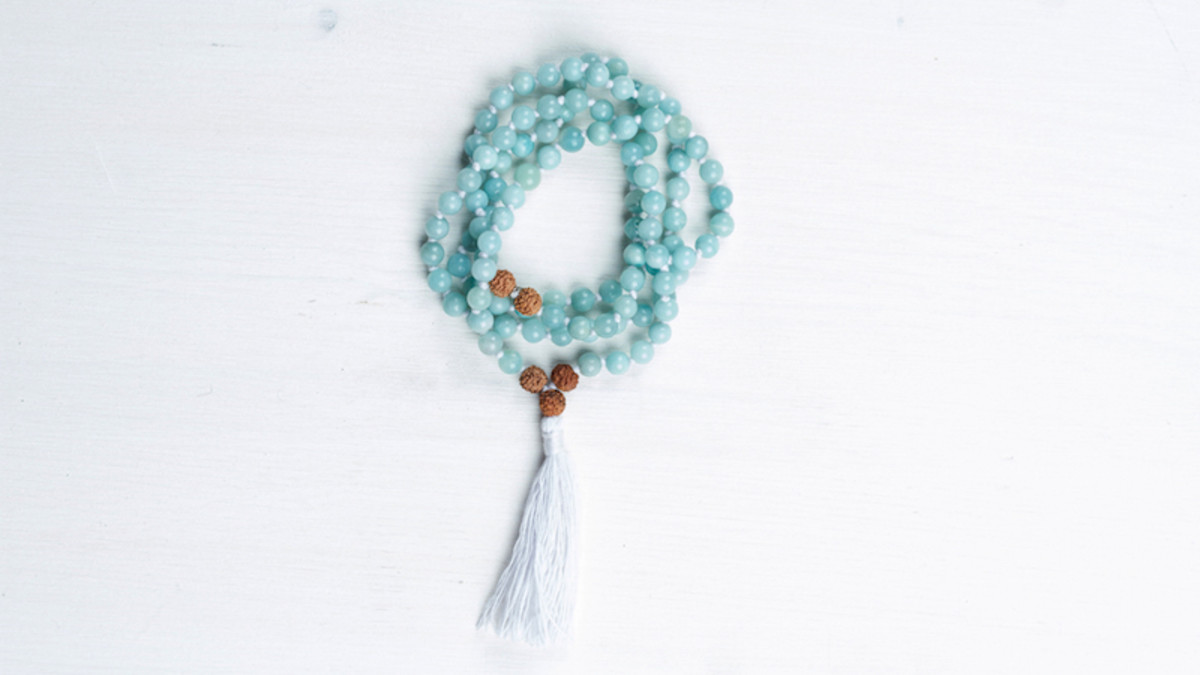
These beautiful necklaces that many yogis wear are much more than a fashion statement. They are actually a powerful tool that can be used for meditation. Each necklace has 108 beads which is thought to be a sacred number in Hinduism. There is also significant to the type of gem that is used for each necklace. Each gem is supposed to have a specific meaning and energy attached to it. It is said that each person’s beads are unique and work in a specific way for them.
I learned that the color, amount of strings and number of beads are significant in meditation beads. I also learned that the beads act as a anchor for your meditation or mantra practice. As your meditate, you hang the beads between your middle and index finger and slowly count each bead as your repeat a mantra. This is continued until you get back to the guru bead which is the largest bead on the necklace. I knew that these beautiful beads had more meaning for yogis that a fashion statement, but now I understand the significance of the beads.
Sheppard, Alex (2019, June 16). Meditation Beads [Teal Beads and White Strings]. Personal Item, Lafayette, California.
Happiness is Contagious is a blog that gives the real facts of how happiness impacts ourselves and the people around us. Scientists have found that we experience happiness when we participate in social connection with others. This is an important key to note because science shows that the people that you spend the most time with influence how you feel. Physical activity such as yoga or going on a run releases endorphins into our bodies which makes us feel happy. Managing our thoughts is also very important because we can catch ourselves focusing on the negative and make a shift to focus on the positive. We can influence more people than we ever realized, simply by being happy.
From this article I learned that our increased happiness improves 15% if the person we spend the most time with is also happy. This made me think about how important your partner is that you create a life with and being mindful about your influence on them or their influence on you. I also learned that the yoga sutras teach that if we are not balanced mentally, physically or emotionally then we are not setting ourselves up to met our happiness potential. Through the practice Pratipaksha Bhavana we can learn to eliminate our negative thoughts by denying our attention to them. There is a breathing meditation you can use to reframe your outlook by saying certain mantras as you inhale and exhale. I learned that it is important to keep in mind that your own happiness benefits more than just you, but those around you as well. The key points of this blog show that yogic practices can directly impact our emotional and mental health.
In the article by Sarah Ezrin, Sarah describes the relationship that most people have with their bodies. She explains different scenarios that most women can relate to and how we can change our thoughts to change our perception of our body. She explains that the longest and most intimate relationship you will ever have is the one with your self, yet sometimes it feels impossible to truly love and accept our bodies. Sarah introduces five different yoga poses that help administrator self love and acceptance.
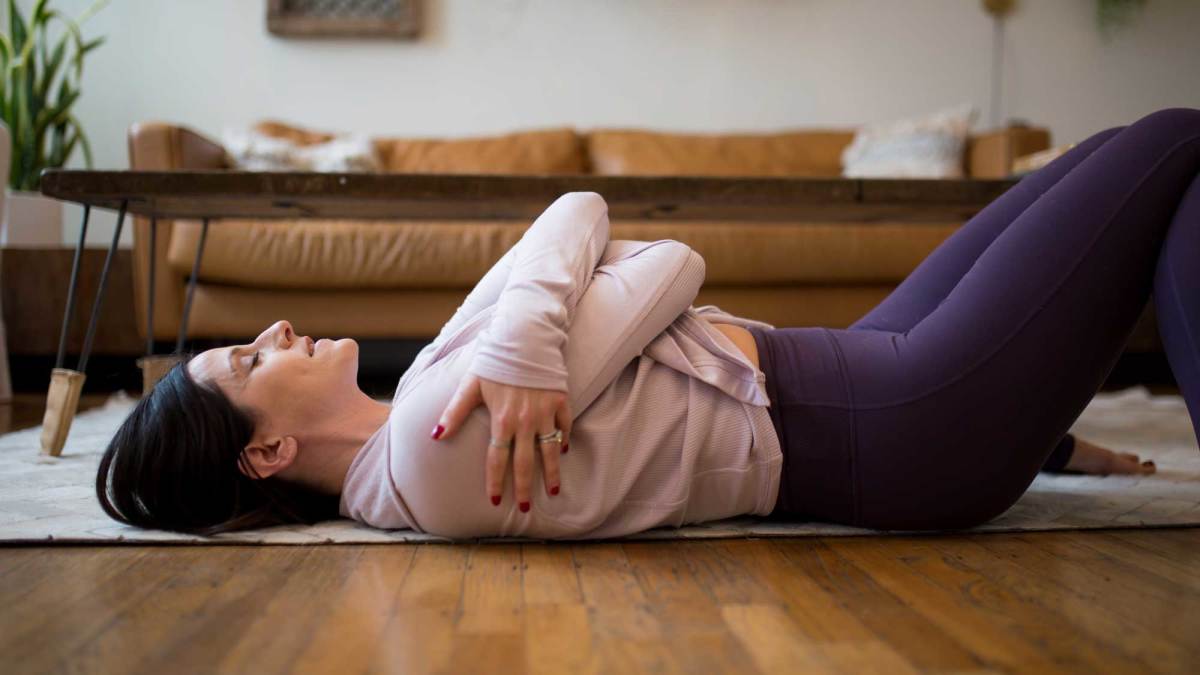
I learned to think about my relationship with my self through the lens of self love. I had never considered that our relationship with ourselves is the most intimate relationship we will ever have. I also learned how and they why of how there are yoga poses that can promote self love and acceptance. One of the poses I learned was Construtive Rest which is where you lay on your back with your arms across your chest as if you are giving your self a hug. Your legs are bend with your feet hip width and the knees knocked in. This position helps release the psoas muscle which I learned is the most important muscles that is connected to emotion. When we become emotionally unbalanced, our psoas is the first muscle to become chronically tight and can cause a loss of core awareness. These article helps answer one of my content questions because it shows a direct corrilation to yoga and emotional health.
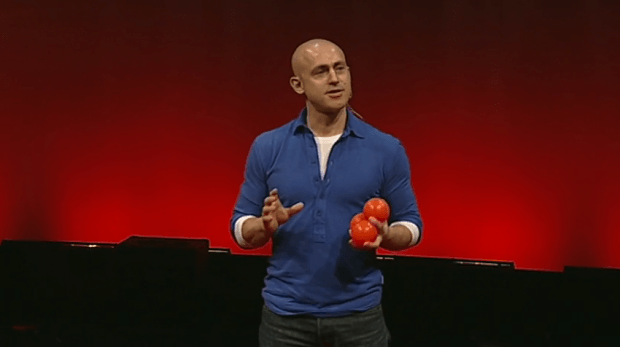
Andy Puddicombe’s Ted Talk shines light on mindfulness and how only 10 minutes a day can make all the difference. Andy put this into perspective by comparing how much time we spend on picking out our cloths or servicing our cars in comparison to how much time we spend tending to our brains. Andy was introduced to meditation at age 10 and revisited mediation at 20-years-old when life was taking him for a spin. He quit his job, moved to Asia and become a monk. He learned to be able to step back and watching his thoughts without judgment or reaction. He defines the goal of meditation as finding the balance of focus and relaxation. Andy uses juggling balls to explain the different thought patterns we have during meditation. Sometimes we will get bored, worried or ruminating around a thought. This is normal as we begin training the mind to sit back and observe our thoughts without reacting.
I learned that ours mind gets lost in thought 47% of our day which means that we roughly spend 50% of our lives not being in the moment. Since we are not present half of the time, I learned that not being present is what actually makes us unhappy. Andy also explained that it is normal to experience aggravation as we meditate and to realize that that is part of the process. This Ted Talk helps answer my questions regarding what meditation is and how meditation can help with mental and emotional health.
In the article, Befriending Your Body, clinical psychiatrist Bessel van der folk explains how yoga can help individuals that have experiences trauma work through their emotional scars. He is the author of a book that examines how trauma effects the brain and the body and specifically how treatments such as yoga can help. He explains that trauma is much more than the actual event that happen some time ago. Trauma actually settles into your body and becomes part of yourself. People who have experienced trauma become afraid of their own physical sensations, which causes them to become short of breath and their entire body to become tense. Yoga is so beneficial for trauma patients because of the yogic breathing. Yoga helps us be able to feel all of our body’s sensation. It is for this reason that yoga is a gentle and safe way for people to start to befriend their bodies and work through the trauma that has become stored in their body.
I learned that trauma is not just an event but a physical sensation that individuals feel. I learned that yoga can help those individuals face those triggering body sensations and work through the pain of the experience by using breath work and mindfulness. I did not know that yoga is equally or more beneficial that the best possible medications to alleviate traumatic stress symptoms for patients dealing with trauma. This article supports my conclusion that yoga is a tool for mental, emotional and physical healing for individuals.
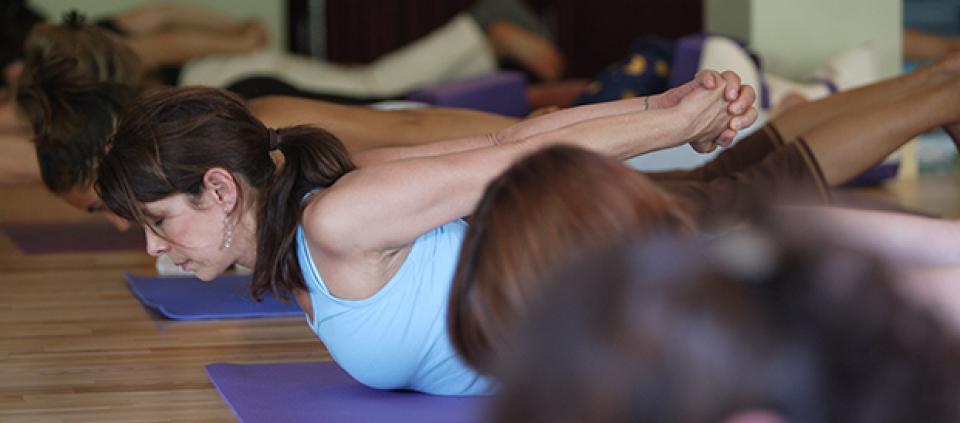
I took a Vinyasa flow class with an instructor named Mary at the Bay Club. Vinyasa flow is a style of yoga that moves quickly and each move in connected to the inhale and exhale of the breath. The class begun in child’s pose and we were told to set an intention for our practice. The class was an hour long and consisted of many sun salutation variations. Throughout the class we were cues to keep our breath flowing and to move at our own pace. We ended class with the traditional Savasana position to seal our practice.
The instructor was very intention with her verbal cues, which taught me that each position looks different on each individual and that yoga is about finding “your” correct pose position. Mary explained that yoga is the physical practice of how we act and react on a daily basis, which was a new concept to me. She cued around mindfulness and noticing how often we fidget or engage in self talk throughout class. She taught me that yoga is much more than a workout, but that we are also training the brain and the breath. Her class helped me understand how by physically participating in a yoga class, our brains, bodies and breath should learn to work together. This concept is how yoga can help facilitate mental, emotional and physical health.
Yoga Class at Bay Club. (2019, June 22). Walnut Creek, CA. Field experience.
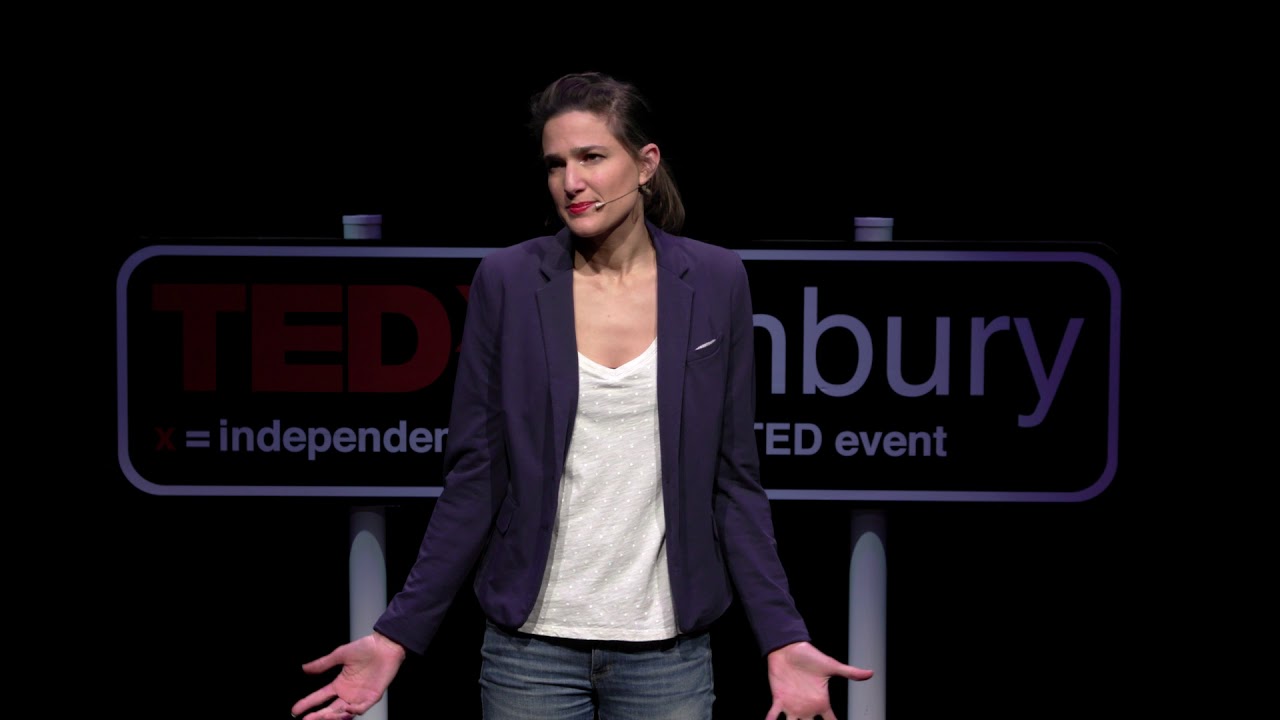
In a Ted Talk with Rachael West, Rachael addresses the issue of chronic pain being an epidemic in the United States. She explains that pain is actually 100 % controlled by the brain, which is good when we are in dangerous situation. However, the brain can trigger pain even when we aren’t actually in danger, this is called chronic pain. Many people are on pain medications that act more as a band-aid than a real solution. Rachel believes that through yoga, individuals with chronic pain can train the mind to stop sending those warning signals when they aren’t actually in pain. To many people try yoga once and think that, “it is not for them”. She explains that to reap the benefits of yoga, you must practice often and intentionally.
I learned that pain is controlled by the brain entirely. I also learned that 1 in 5 people in the U.S. experience chronic pain on a daily basis. Since yoga is all about the mind body connection, it would make sense that through the practice of mindfulness and meditation that individuals are able to control their chronic pain. I did not know that used could also be used for that reason and that there have been cases where people used yoga therapy to completely get rid of their chronic pain. This Ted Talk helps answer my questions regarding yoga as a way to facilitate the healing of physical pain.
Talks, T. (2017, August 21). How a bit of yoga can help with a big health problem – chronic pain | Rachael West | TEDxBunbury. Retrieved July 11, 2019, from https://www.youtube.com/watch?v=hHrBFYhcQ6c
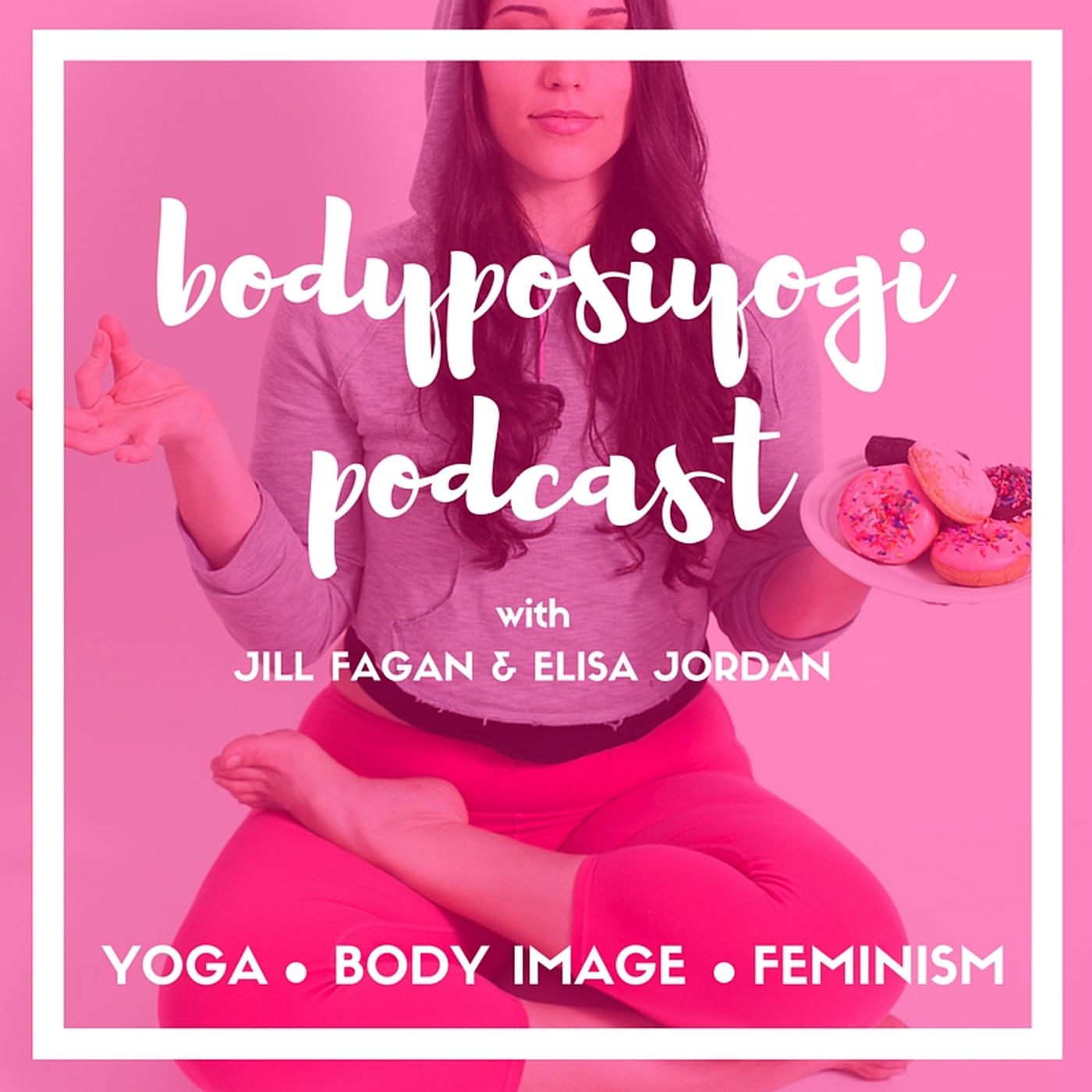
In the episode by Bodyposiyogi, The History of Yoga-Overview, Jill and Jordan give the general history of yoga dating all the way back to 5000 B.C. They educate how yoga was more of a philosophy than a physical practice. The philosophy of yoga originally focused on breath control and being able to control the mind. It wasn’t until Britain invaded India that yoga began to incorporate the physical aspect. At that time, body building and gymnastics was popular in Europe which is what gave influence to the physically demanding yoga poses that we know know as head stands and inversions. Jill and Jordan then give context of when yoga came to the United States and how it ended up being so popular on the West Coast.
I learned that yoga actually dates back farther than most people think. Since the actual written philosophy of yoga was not written till 500 B.C. most people consider that is the time frame that yoga was born. Yoga was actually created much earlier than 500 B.C. In places such as South Asia and India, there are ancient sculptures that suggest that yoga was created as early as 2000 B.C. I also learned that yoga was first brought to the United States in the mid 1920’s to Los Angeles California. It was Hollywood that ended up making yoga so popular. Celebrities began practicing yoga and raving about it which made it popular. A fun fact I learned is that Marilyn Monroe was one of the celebrities that did yoga and there are many pictures of her practicing the asanas of yoga.
Fagan, J., & Jordan, E. (2017, May 16). Bodyposiyogi Podcast: History of Yoga- Overview [Audio blog post]. Retrieved July 12, 2019.
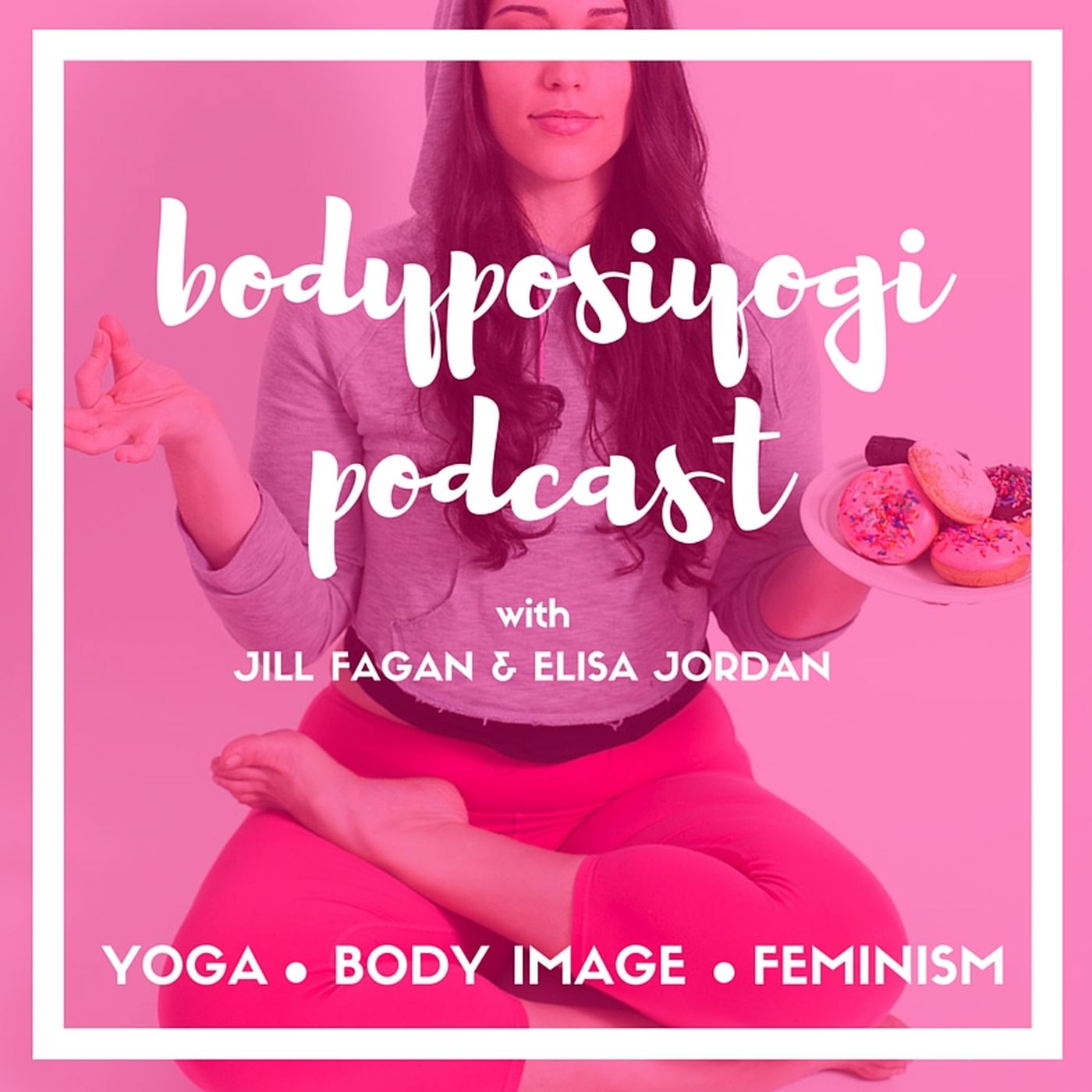
In Jill and Jordan’s podcast, Bodyposiyoga, they educate about the different types yoga and how they are very much different from the “physical” types of yoga that are so popular in modern culture today. The podcast begins with defining the words yoga and asana. Yoga is defined as union of the body, mind and spirit. Asana is defined as the physical practice of yoga. They go into great detail about the five branches of yoga and what the intentions are of each branch.
I learned what yoga and asana mean and realized that yoga is the umbrella over mindfulness and meditation. I also learned that there are five branches of yoga which is much different from what I had initial thought. The five branches are yoga are defined as: Bhaki meaning devotion, Karma meaning selfless actions, Jnana meaning the path of wisdom and knowledge, Hatha meaning the actual postures and Raja also known as King yoga which focuses on meditation. This podcast helped answer my content questions and showed me how my questions are linked.
Fagan, J., & Jordan, E. (2018, June 4). Bodyposiyogi Podcast: History of Yoga- The Types of Yoga [Audio blog post]. Retrieved July 12, 2019.


 Mindfulness, Meditation & Yoga